
Description
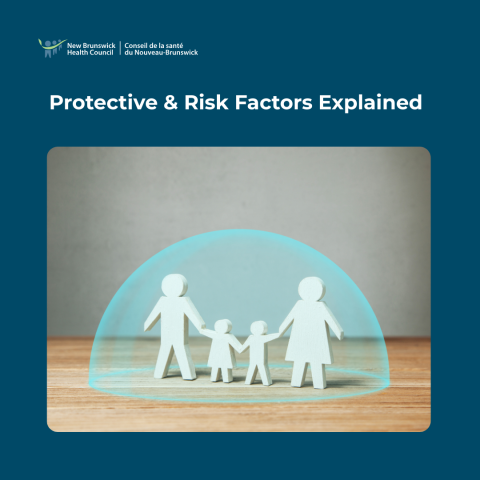
The New Brunswick Health Council’s article, Protective and Risk Factors Explained, outlines how certain conditions can either support or hinder health and well-being. Protective factors like strong relationships and adequate sleep can buffer against challenges, while risk factors such as social isolation or poverty increase vulnerability to issues like substance use and poor mental health. The piece emphasizes that these factors can be individual, familial, or community-based, and some are modifiable over time. For prevention professionals, this information is crucial for designing strategies that strengthen protective factors and reduce risks, ultimately improving resilience and long-term outcomes.
Developers
New Brunswick Health Council
Keep the Momentum Going
Related resources for further exploration



Description
The New Brunswick Health Council’s article, Protective and Risk Factors Explained, outlines how certain conditions can either support or hinder health and well-being. Protective factors like strong relationships and adequate sleep can buffer against challenges, while risk factors such as social isolation or poverty increase vulnerability to issues like substance use and poor mental health. The piece emphasizes that these factors can be individual, familial, or community-based, and some are modifiable over time. For prevention professionals, this information is crucial for designing strategies that strengthen protective factors and reduce risks, ultimately improving resilience and long-term outcomes.
Developers
New Brunswick Health Council
Keep the Momentum Going
Related resources for further exploration
