
Description
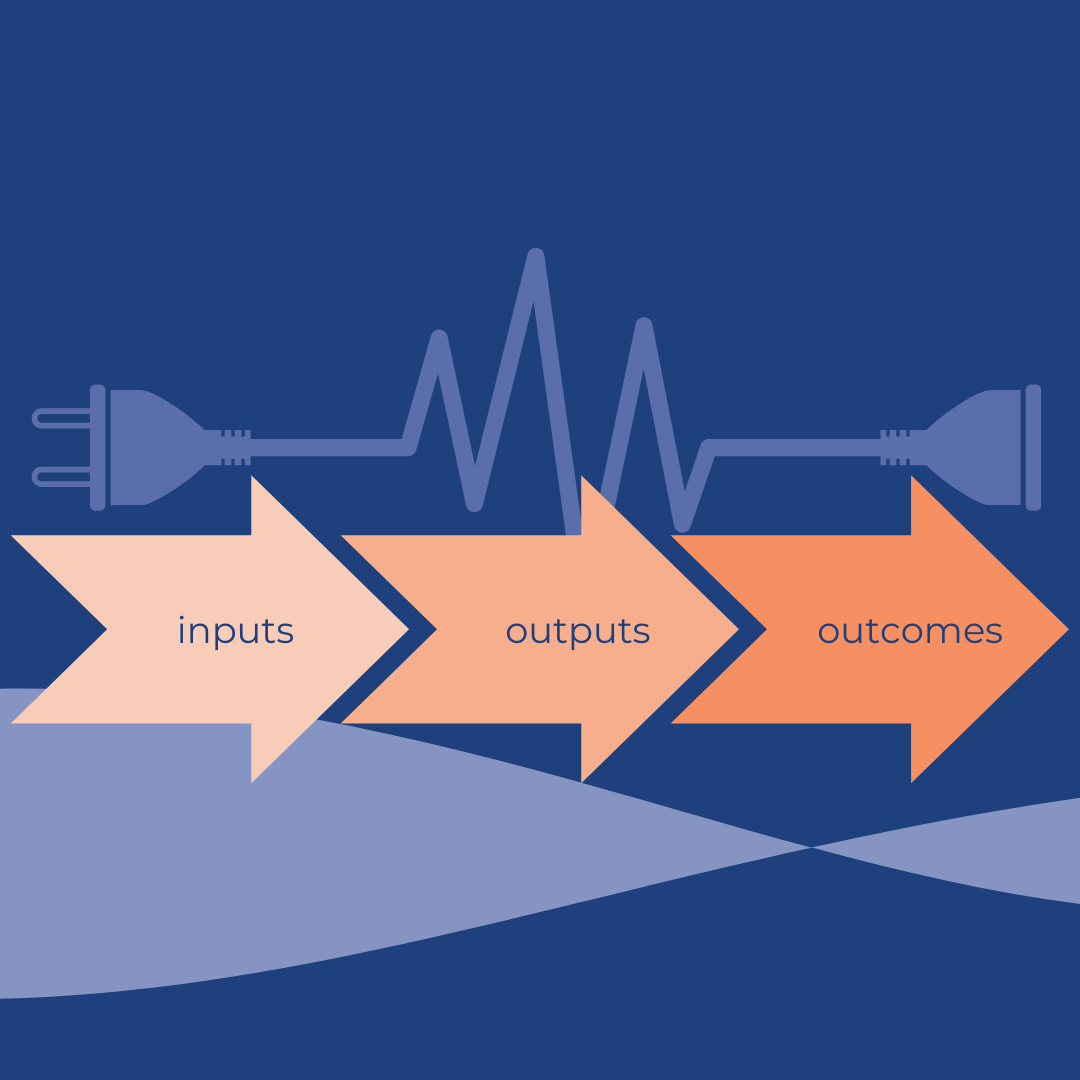
Have you ever wondered what your program’s general goal is? Have you ever struggled to explain and share what your program does and why it works? Have you ever wondered why your program isn’t leading to the outcomes you’re hoping for? Whether you’re knee-deep in planning your program, atop the steep hill of implementation, or looking back on your journey’s progress, these questions can feel uncomfortable or overwhelming as they arise. Luckily, you can find answers in your program’s Logic Model whenever these questions arise. A logic model is your north star: your program’s guide to success! It is an illustrative connection between a program’s activities and its goals.
Learning Objectives
Real-World Application
After taking this course, you will be able to build a program/service logic model to clarify program goals, align activities with outcomes, communicate program design, and strengthen evaluation efforts.
Developers
Nathaniel Riggs, Ph.D.
Alex Hansen, B.S.
Nicole Mingola, M.S.
Continuing Education
- Earn a certificate upon completion and submit it to your employer for continuing education credit.
- Pennsylvania educators earn Act 48 credits by completing this course.
- The PLP team is currently exploring additional opportunities to expand continuing education credit eligibility within Pennsylvania and to other states in the future.
What Learners are Saying
Learners shared that they plan to apply the course by creating, revising, and strengthening logic models to support program planning, implementation, evaluation, and sustainability. Many noted the content’s direct relevance to their work, especially in needs assessment, data gathering, and improving program effectiveness. Learners also appreciated the clear, practical examples, manageable course flow, engaging videos, and additional resources that supported their understanding and future use of logic models.


