

Description
This practical research-to-practice resource explains implementation fidelity, the degree to which an evidence-based program (EBP) is delivered as originally intended and why it is critical for achieving positive outcomes. It outlines core components of fidelity such as adherence, dosage, quality of delivery, participant responsiveness, and program differentiation. The guide highlights how monitoring fidelity helps practitioners interpret outcomes accurately, make informed decisions about adaptations, and maximize program effectiveness. Examples of fidelity measures and tools are also included to support implementation teams.
Developers
Colorado State University – Prevention Research Center
Keep the Momentum Going
Related resources for further exploration


Description
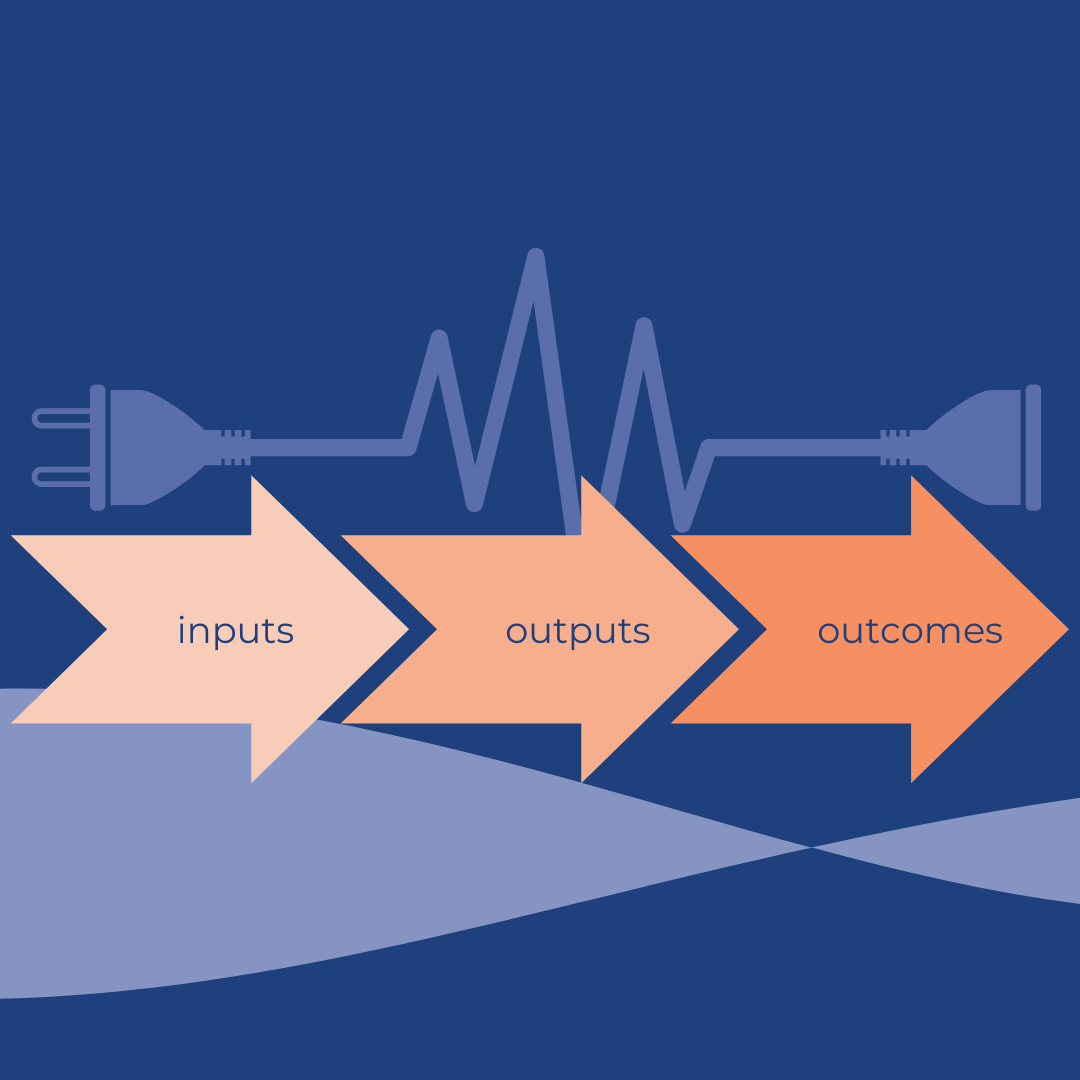
This practical research-to-practice resource explains implementation fidelity, the degree to which an evidence-based program (EBP) is delivered as originally intended and why it is critical for achieving positive outcomes. It outlines core components of fidelity such as adherence, dosage, quality of delivery, participant responsiveness, and program differentiation. The guide highlights how monitoring fidelity helps practitioners interpret outcomes accurately, make informed decisions about adaptations, and maximize program effectiveness. Examples of fidelity measures and tools are also included to support implementation teams.
Developers
Colorado State University – Prevention Research Center
Keep the Momentum Going
Related resources for further exploration
