About Our eLibrary
Welcome to the Prevention Learning Portal’s eLibrary, where you can browse or search for general prevention resources. All resources are available to you for FREE! These resources have been compiled to assist you in advancing your prevention efforts as you learn and improve your skills.
These links are provided as a convenience and informational purposes only; they do not constitute an endorsement or an approval by the Prevention Learning Portal (PLP) of any of the products, services or opinions of the corporation or organization or individual. The PLP bears no responsibility for the accuracy, legality or content of the external site or that of subsequent links. Contact the external site for answers to questions regarding its content.
Our eLibrary is designed to support a wide range of audiences, from educators and social workers to juvenile justice professionals. We are continually expanding our collection of free courses and resources to meet evolving needs. If you didn’t find what you were looking for—or if you’d like to suggest a resource to add—please use the link below to share with us.

5 FREE Digital Tools to move projects forward efficiently and effectively

Practical resources and evidence-informed tools to design, implement, and sustain effective youth programs
A Guide on adapting evidence-based programs through scenarios.


A step-by-step toolkit from the Afterschool Alliance to plan impactful community events celebrating afterschool programs
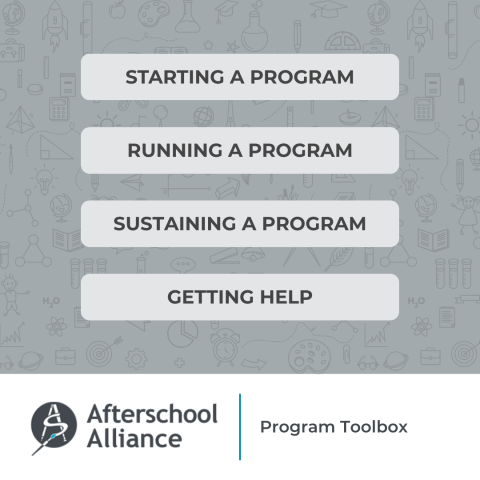
Equipping educators and program leaders to plan, run, and sustain impactful programs that foster academic enrichment, equity, and community support

From Vision to Launch: Afterschool Program Start-Up Toolkit

Empowering prevention professionals with coordinated strategies, evidence‑based insights, and system-level tools from The Wallace Foundation

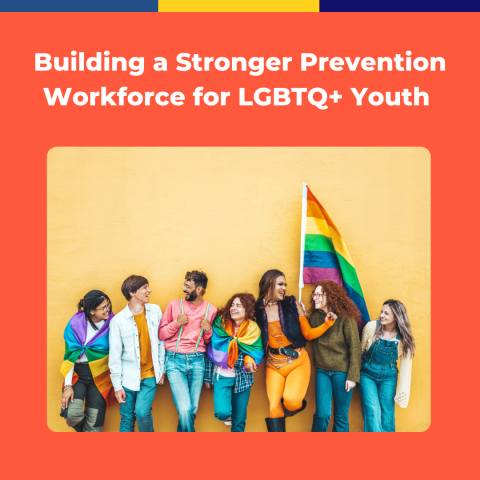
Equipping Professionals with the Tools to Support and Protect Vulnerable Youth


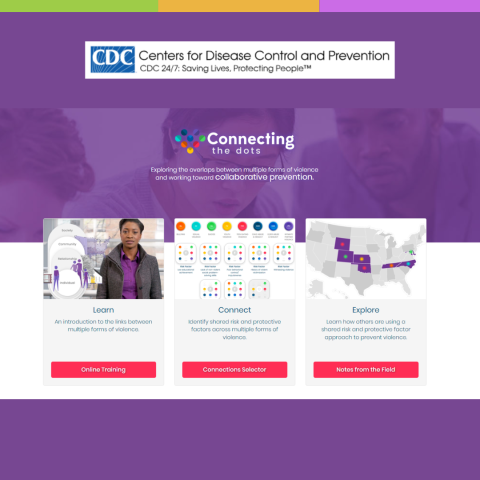
Connecting the Dots: Exploring the overlaps between multiple forms of violence and working toward collaborative prevention.
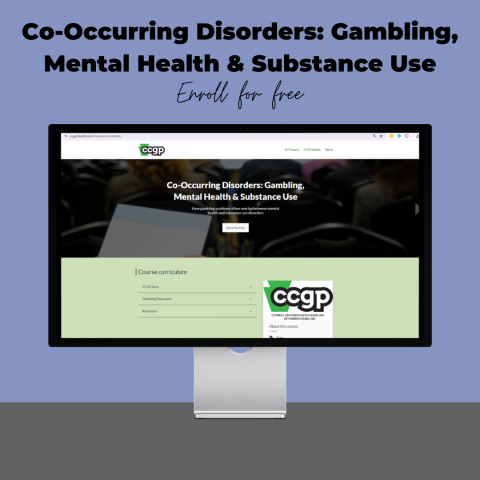
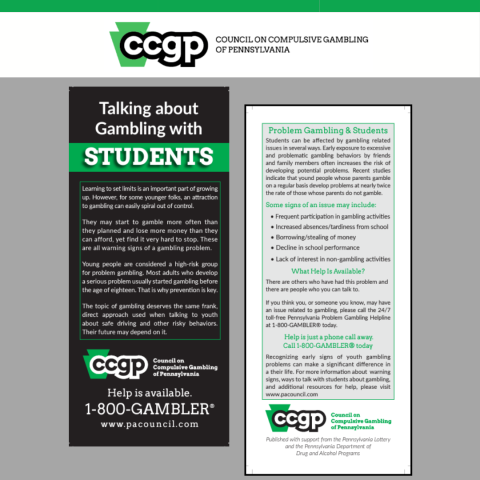
Council on Compulsive Gambling of Pennsylvania

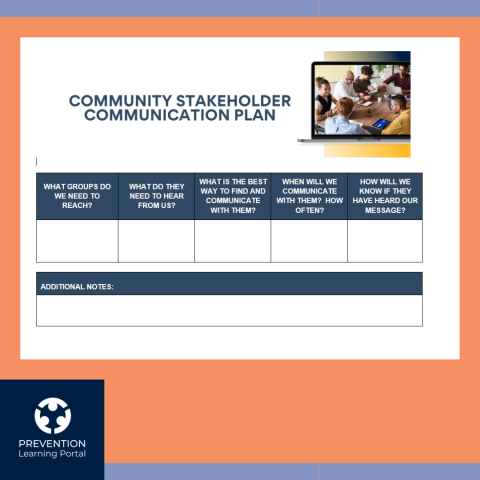
Template: Community Stakeholder Communication Plan
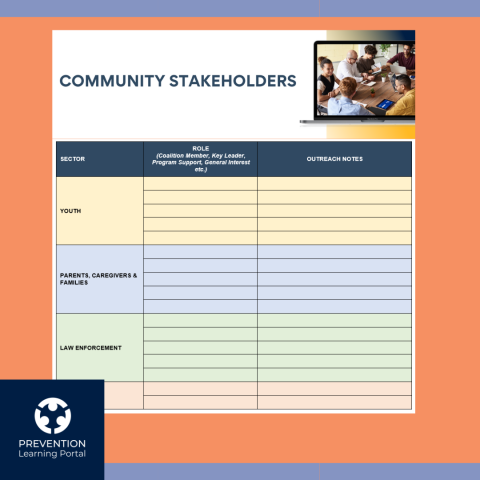
Template: Community Stakeholders

Pennsylvania’s Lead Organization for Prevention Advocacy and Professional Support
Recognizing Early Warning Signs and Implementing Effective Support Strategies
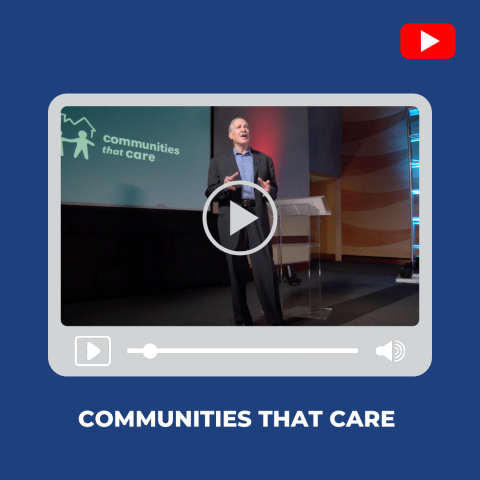
How Communities Can Use CTC to Decrease Risk and Enhance Protection for Youth
Increasing Healthy Behaviors and Success in our Youth
Understanding Level of Risk Unique to Your Community
Evidence-based Resource Guide Series
Resources to Empower Community Leaders, Educators, and Policymakers

Supporting K–12 Students Through Stronger Family Connections

Increase Energy, Productivity, Peace, and Harmony for a Positive Workplace

Training, Collaboration, and Resources to Reduce Illicit Drug Threats and Support Prevention Partners

State-Level Data to Inform Prevention Planning, Equity, and Response

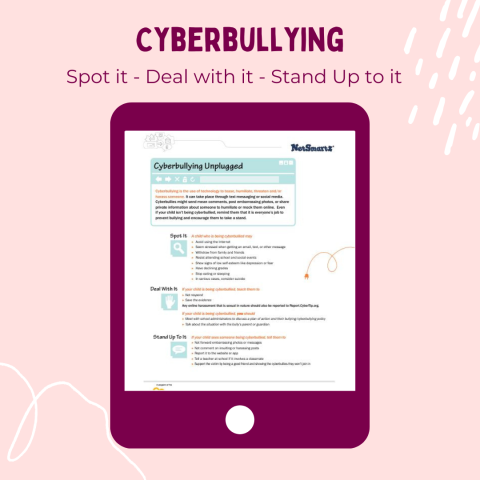
A practical guide for parents, educators, and youth on addressing cyberbullying

Free graphics and videos from the National Institute of Mental Health (NIMH) you can use to generate awareness.


Strengthening Youth Participation in Prevention and Community Change Efforts

Harnessing research to improve mentoring outcomes for youth, communities, and mentoring practitioners


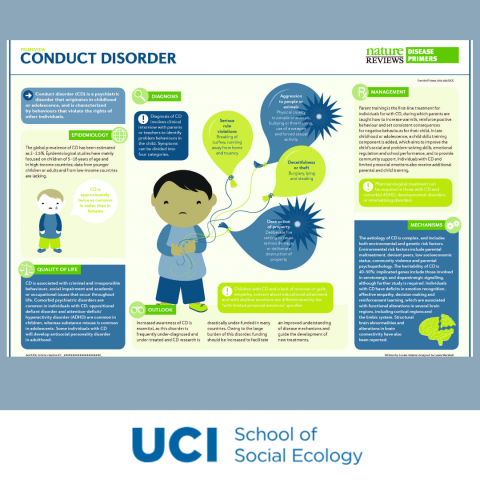
Expert Guidance on Children’s Mental Health, Behavior and Learning

Understanding Implementation Fidelity in Evidence-Based Programs


A Federal Tool to Identify Treatment Resources and Support Pathways Across the U.S.

Guiding Local Efforts to Prevent Substance Use Through Strategic Community Engagement

How Youth Surveys Guide Collective Community Investment and Planning: Benefits of Using Youth Data

Taking the Guesswork Out of Funding Youth Programs

Finding Unity in Community: How Building Consensus Can Shift the Dynamics of Support

From People to Place and Power: Coalitions that Succeed by Grounding Efforts in Community Context

Strategies for Community Impact on Youth Well-Being

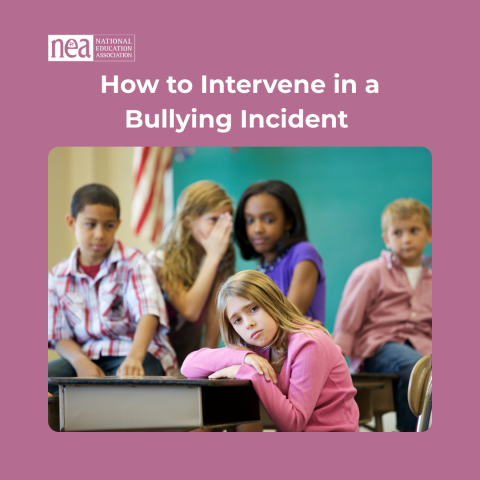
A structured, professional guide for educators and school staff to effectively address bullying on the spot

A Step-by-Step Guide to Using Clearinghouses for Program Selection
Implementation Science 101: Scaling Up and Sustaining Evidence-based Programs

A Curated Library of Frameworks, Tools, Articles, and Guides to Support Evidence-Informed Practice

The Sentencing Project: Webinar

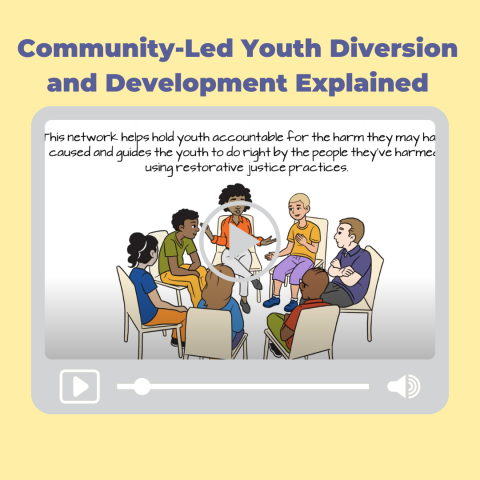
Exploring real-world challenges and solutions in designing diversion circuits for young people


Annual, Long-Term Trends in Behavior, Beliefs, and Drug Use Among U.S. Youth

NEA: professional employee organization for public educators

Free tools, training, research and support to strengthen mentoring programs and improve youth outcomes

Sandy Hook Promise's programs and toolkits to create safer schools, homes, and communities.
Guidance for the Prevention Workforce to Promote Safe and Healthy Online Experiences
Substance Abuse and Mental Health Services Administration (SAMHSA)
What is 'readiness' and why is it so important for successful implementation?

Inspiring Hope through Recovery and Community-Integration

Statewide Membership Organization Advancing Child Welfare Through Advocacy and Support

Grade-banded standards empowering educators to guide students in career awareness, job readiness, retention, and entrepreneurship.

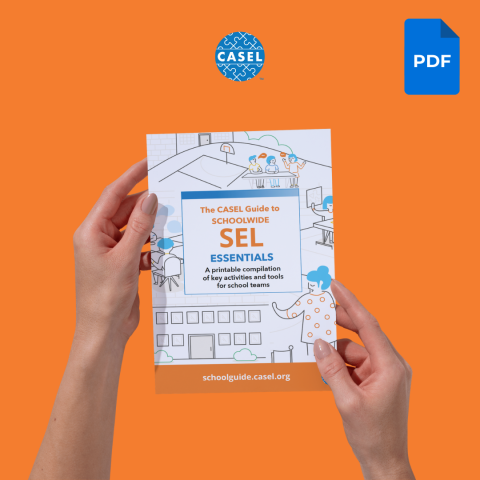
A framework to help educators embed social-emotional and employability skills into everyday teaching.

Competencies in cultural awareness, trauma-aware wellness, and digital engagement to inform educator preparation and development.

Ask Questions About the State’s Family First Prevention Services Act Implementation

Leading and Coordinating School-Based Student Assistance for Prevention, Early Intervention, and Student Success
Strengthening Out-of-School Time Programming in PA

A Realistic Demonstration of How School-Based Teams Assess and Support At-Risk Students

Accessible Pathways to Evidence-Based Treatment, Referrals, and Recovery Resources

A practical guide to building and sustaining youth-led advisory boards that elevate young voices in shaping juvenile justice policies and practices.

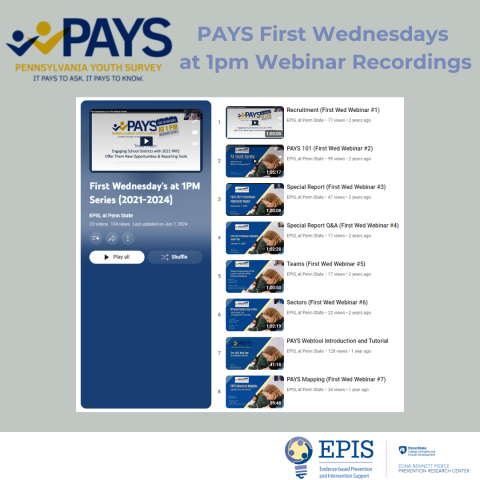
Statewide Student Survey Informing Prevention Planning and Community Action

State Implementation of the Family First Prevention Services Act in PA


Infographic on the science of Adverse Childhood Experiences (ACEs) and strategies to build healthier, more resilient communities
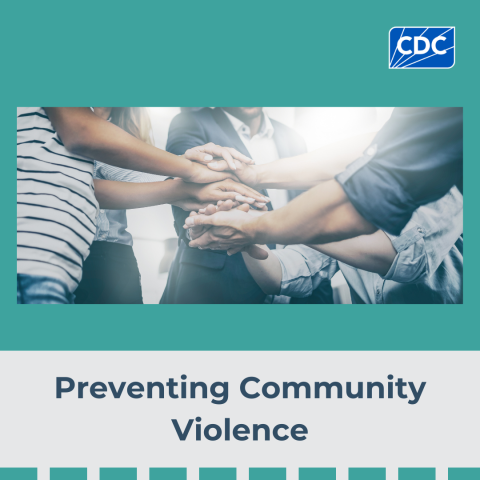
Whether you are a parent, teacher, coach, neighbor, or community volunteer, you can play a role in preventing community violence.
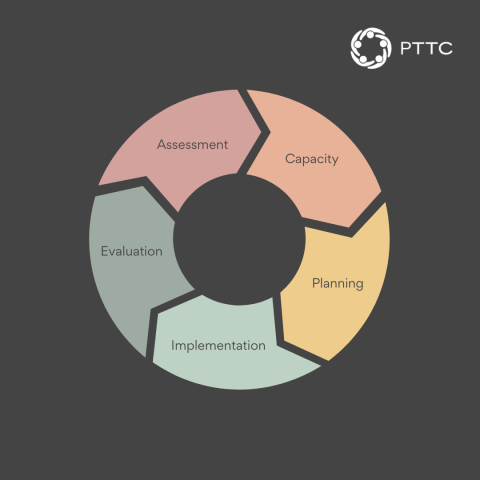
Prevention Technology Transfer Center Network (PTTC)
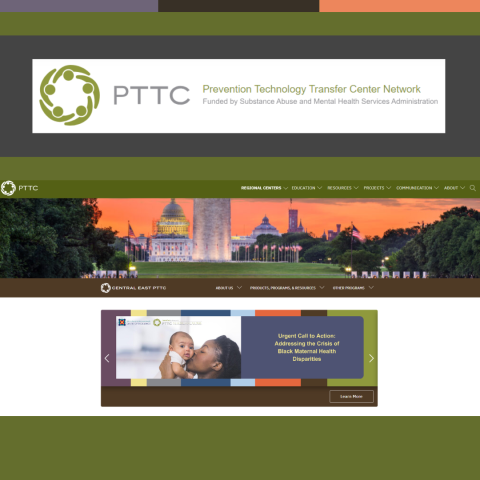
Central East Region supports: Delaware, Maryland, Pennsylvania, Virginia, West Virginia, and the District of Columbia.

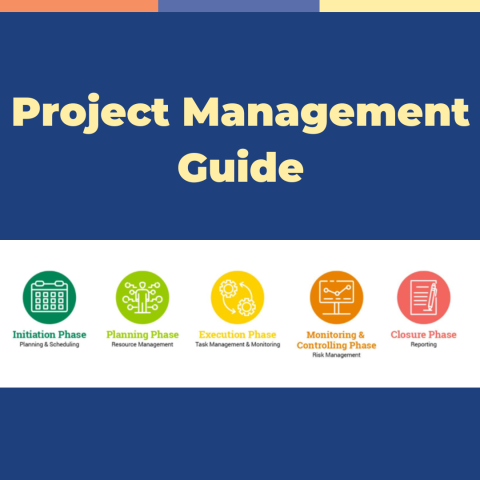
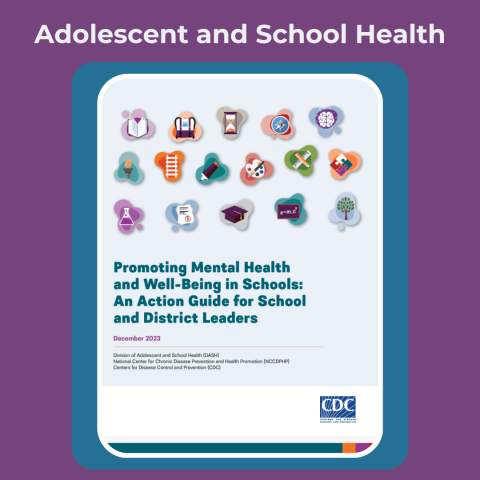
An Action Guide for School and District Leaders

American Psychological Association Article

Evidence-Based Training, Resources, and Support to Strengthen Substance Use Prevention Efforts

Guiding schools through the process of planning, implementing, and evaluating effective behavioral health screening systems.
Being prepared by practicing refusal skills, setting boundaries, and developing a plan.

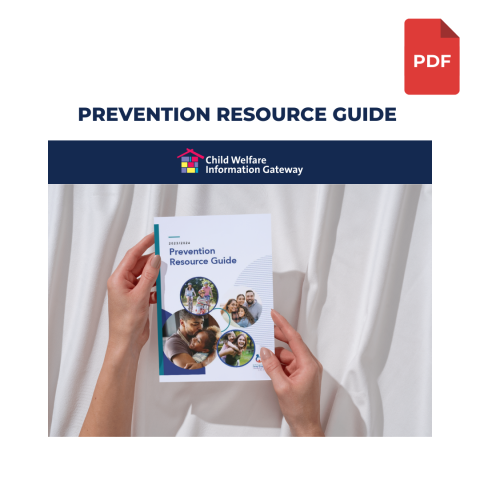
Comprehensive Tools and Guidance for Advocates, Educators, Families, and Policymakers in Pennsylvania

Understanding the Complex Interplay of Influences to Enhance Prevention and Resilience
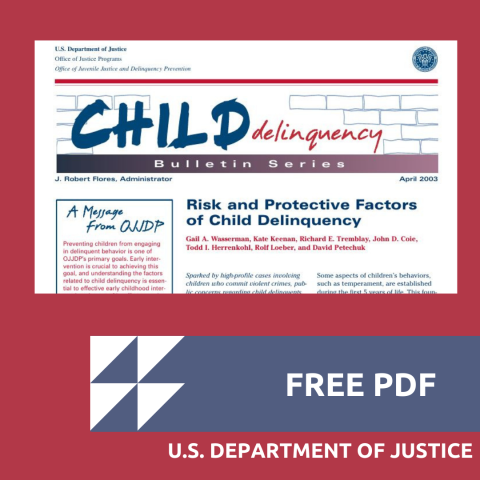


Explore maps, charts and county-level data to understand rural health, access, and disparities across the U.S.

Practical Guidance and Tools to Prevent and Address Substance Misuse in the Workplace

Evidence-based strategies and tools from the Pennsylvania Department of Education for reducing chronic absenteeism and enhancing student success
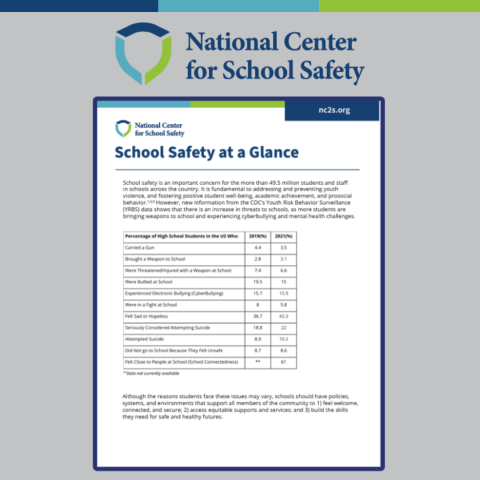
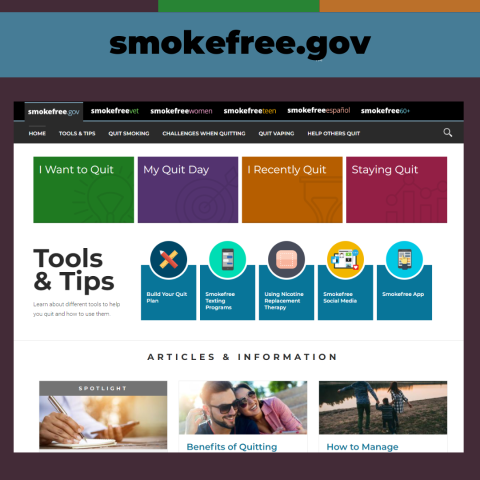

A Global Hub for Evidence, Research, and Professional Development in Prevention Science
Tailored Guidance, Training, and Resources to Strengthen Prevention Efforts Nationwide

Comprehensive, state-by-state data on U.S. health, coverage, and public-health policy

Collaborative Task Forces Driving Systemic Improvement in Pennsylvania’s Dependency Courts

A comprehensive guide to national and state profiles tracking child maltreatment, foster care, kinship care, permanency, and older youth in care.

Leveraging Federal Funding to Support At-Risk Children, Youth, and Families Through Evidence-Based Prevention

Free, practical resources to help you start conversations, build emotional resilience, and act when it matters
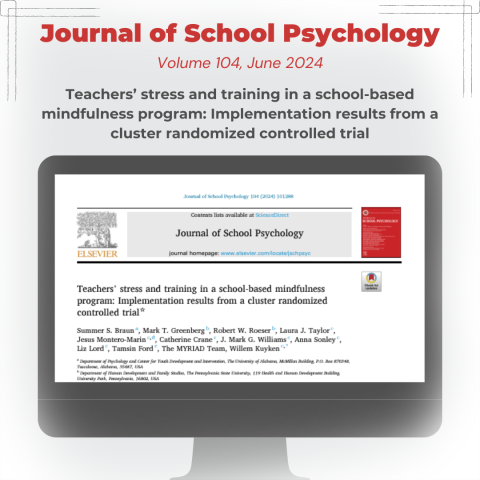
Journal of School Psychology (Volume 104, June 2024)



Empowering Prevention Professionals to Apply Implementation Science with Confidence
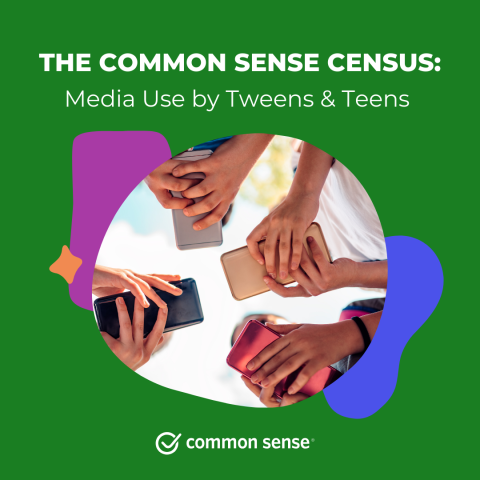
Promoting Healthy Media Habits, Digital Literacy, and Online Safety
Practical Tools and Strategies for Strengthening Community-Based Prevention Work
How Screen Time and Online Pressure Impact Mental Health


Trauma-Informed Tools and Training for Child Welfare Workforce

Evidence-Based Guidance and Support for Nurturing Children Through Trauma

Trauma-Informed Resources for Pediatric and Family-Centered Care

Trauma-Informed Tools and Training for Juvenile Justice

Evidence-Based Insights and Policy Guidance on Child Trauma

Trauma-Informed Guidance and Resources for Educators and School Staff

Trauma-Aware Tools Created With and For Young People

Using Prevention Science to Strengthen Community Impact


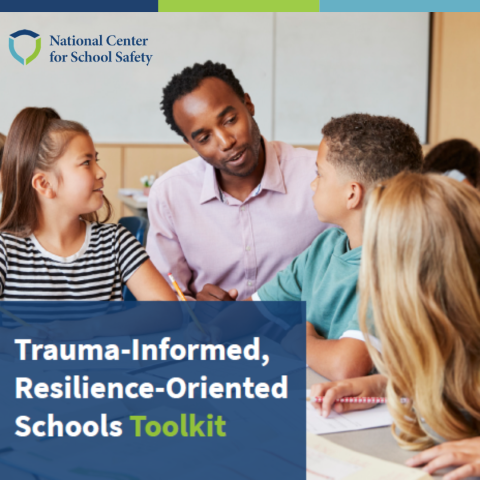
Practical Classroom Strategies for Supporting Students Impacted by Trauma

Webinar on dynamic, data-driven approaches to suicide risk reduction hosted by the National Institute of Mental Health (NIMH)

Tracking Submissions and Progress Across States and Tribal Jurisdictions

Evidence-Based Program Ratings Under the Family First Prevention Services Act
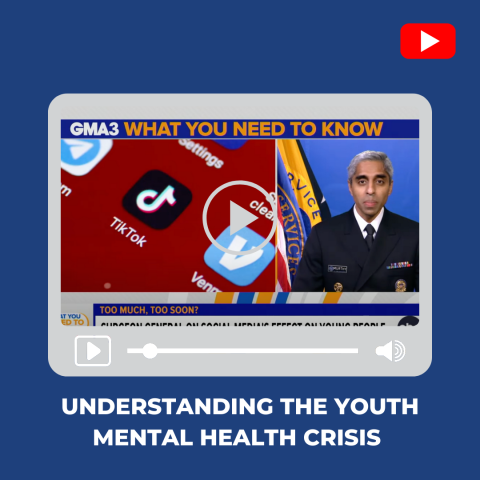
Insights for the Prevention Workforce from the U.S. Surgeon General (2023)

A searchable, public database revealing how U.S. government funding flows from federal agencies to grants, loans, contracts and communities
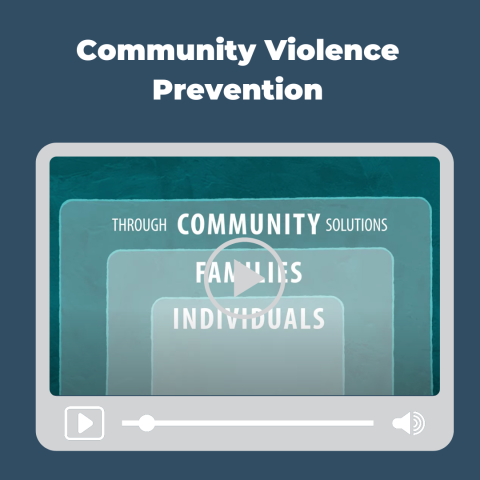
What community violence looks like and how it impacts individuals, schools, and communities.

Rethinking juvenile justice: community-based solutions that work for youth and families
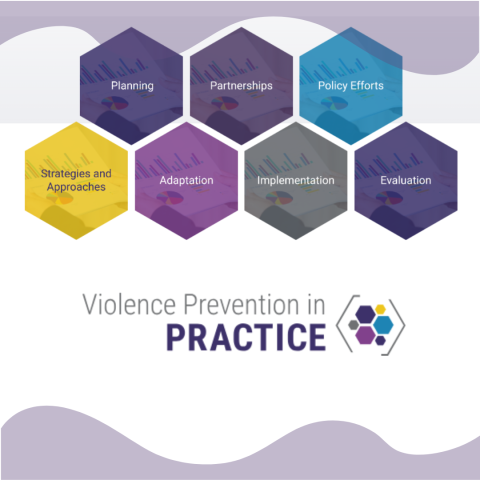

Seasonal Influences on Mental Health, Behavior, and Substance Misuse Risk

Using the Continuum of Confidence to Guide Smart Program Decisions
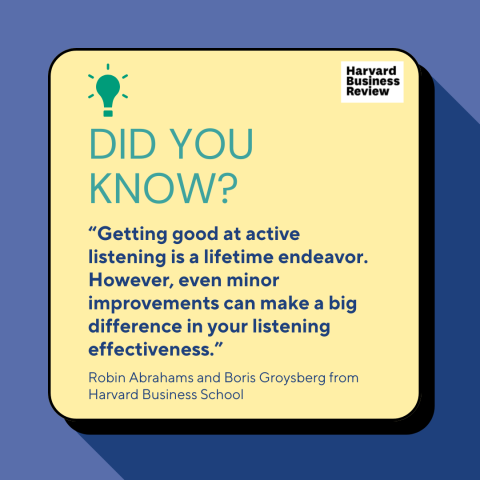
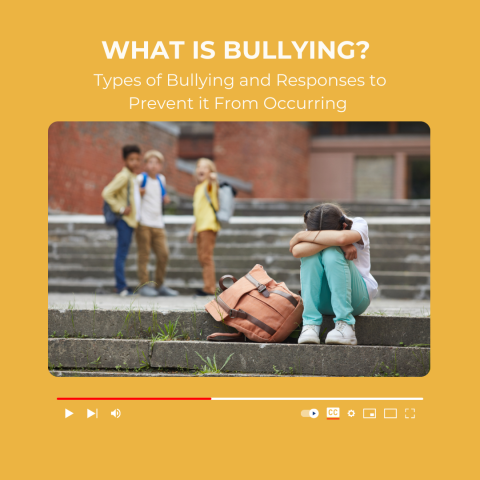
Types of Bullying and Responses to Prevent it From Occurring

Blog Post for understanding alternatives to formal court processing for youth.
YouTube Video produced by the Center for Disease Control and Prevention (CDC)

Evidence-Informed Tips to Promote Mental Health and Resilience at Work

Why diversion creates better outcomes for teens, families, and justice systems