eLibrary

Welcome to the Prevention Learning Portal’s eLibrary, where you can browse or search for general prevention resources. All resources are available to you for FREE! These resources have been compiled to assist you in advancing your prevention efforts as you learn, improve your skills, and support youth and families.

These links are provided as a convenience and informational purposes only; they do not constitute an endorsement or an approval by the Prevention Learning Portal (PLP) of any of the products, services or opinions of the corporation or organization or individual. The PLP bears no responsibility for the accuracy, legality or content of the external site or that of subsequent links. Contact the external site for answers to questions regarding its content.

Find a Resource

Text Search

Search

Setting

Setting

Topic Area(s)

Topic Areas

Implementation Stages

Implementation Stages

Resource Type

Resource Type

10 Ways to Teach Children How to Use Social Media Responsibly

2026 Pennsylvania Suicide Prevention Guide

5 FREE Tools to Advance Your Next Project

988 Lifeline

Accessibility in Prevention

Accessibility Toolkit for Prevention Organizations

ACT for Youth – Program Toolkit for Youth Development Professionals

Action Plan Progress Tool

Action Planning for Strengths Worksheet

Action Planning Worksheets

Adapting Evidence-Based Programs

Adverse Childhood Experiences (ACES)

Advocacy Toolkit for Problem Gambling Prevention

Afterschool Alliance

Afterschool Alliance – Lights On Afterschool Event Planning Kit

Afterschool Alliance – Program Toolbox

Afterschool Alliance – Starting an Afterschool Program

Afterschool System Building: Strengthening Out‑of‑School Time for Youth

Age-Appropriate Chores for Children

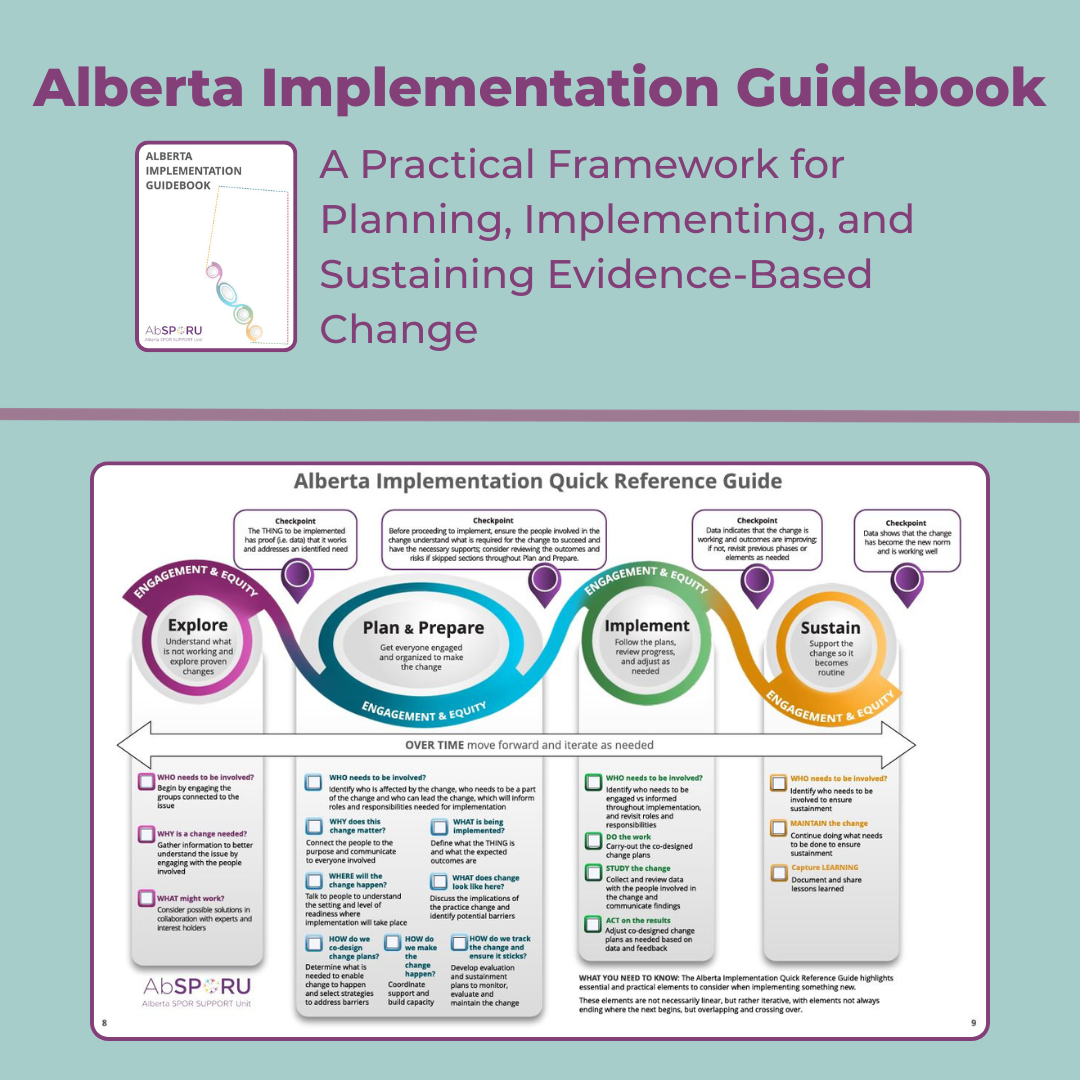
Alberta Implementation Guidebook

An Introduction to Problem Gambling

Best Practices Registry (BPR)

Buckling the Social Media Seatbelt SuperCourse

Building a Stronger Prevention Workforce for LGBTQ+ Youth

Building Effective Peer Mentoring Programs in Schools

Bullying Prevention Resources

CADCA Youth Leadership: Engage. Develop. Inspire.

CASEL

Catalog of Presentation Slides

CDC: Violence Prevention

Changing the Narrative About Problem Gambling: Using Storytelling to Raise Awareness and Break Down Barriers

Child Welfare Professional Development

Childhood Trauma and Impacts

Childhood Trauma and Impacts – in Spanish

Co-Occurring Disorders: Gambling, Mental Health, & Substance Use

Coalition Check-Up Project

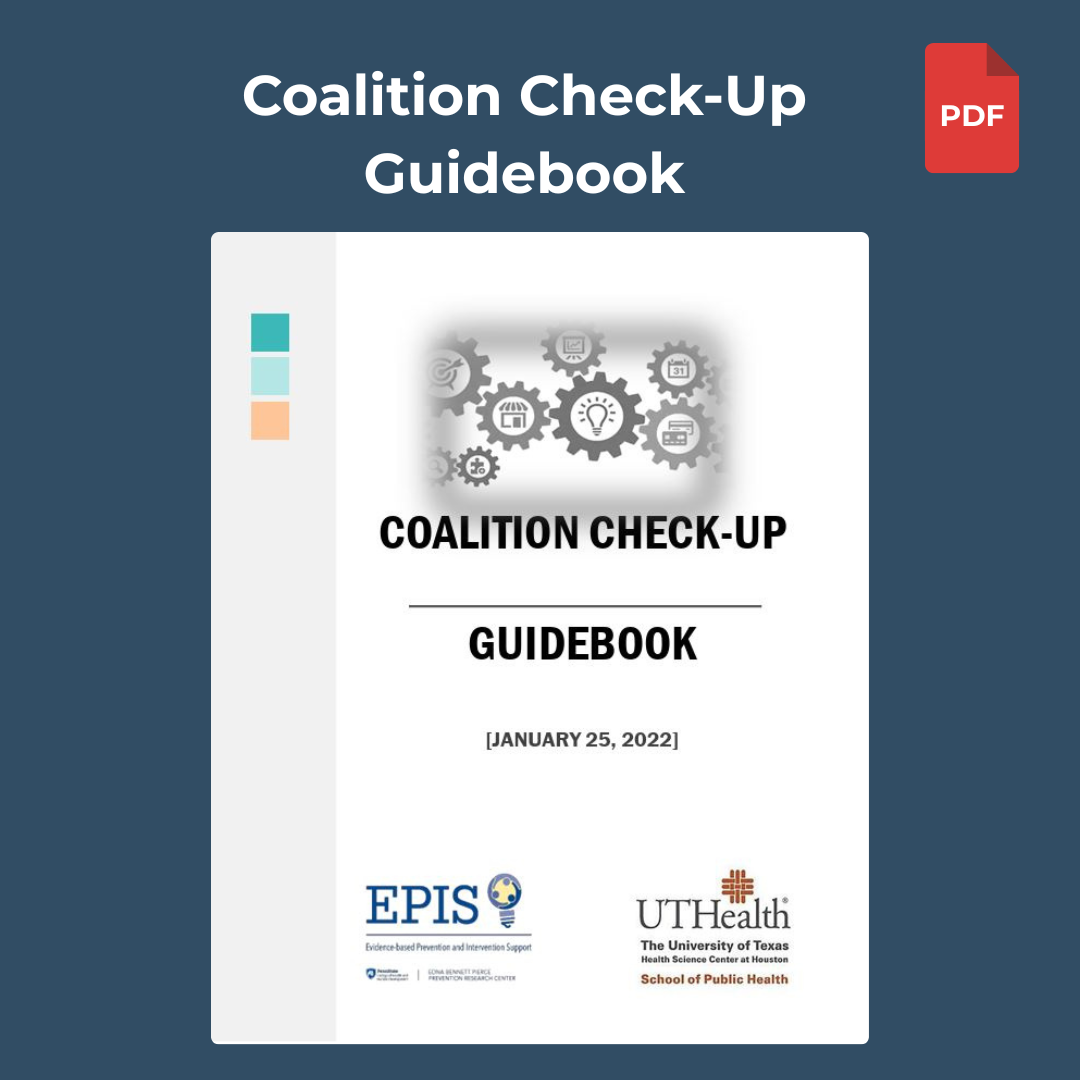
Coalition Check-Up Guidebook

Coalition Management: Communication Planning

Coalition Management: Ensuring you have a diverse group of Coalition Members that represents your community

Commonwealth Prevention Alliance (CPA)

Communities That Care – Family & School Risk Factors YouTube Video

Communities that Care – Social Development Strategy YouTube Video

Communities That Care – The Prevention Paradox

Communities that Care – The Science of Risk Factors YouTube Video

Communities That Care YouTube Video

Community Engagement: An Essential Component of an Effective and Equitable Substance Use Prevention System

Community-Led Youth Diversion and Development Explained

Community-Level Data in Pennsylvania

Community Violence Prevention

Conduct Disorder: Reducing Burden on Children and Society

Confident Connections: Mental Health Resources for Caregivers

Conflict Resolution Network

Conflict Resolution Strategies

Council on Compulsive Gambling of Pennsylvania

Counterdrug.org – National Guard Support for Drug Prevention and Community Safety

COVID-19 Trends in Substance Use and Mental Health in Pennsylvania

Creating a Fillable PDF Form in Adobe Acrobat

Cyberbullying Unplugged

Digital Shareables for Mental Health Awareness

Diversion: The Next Frontier in Reforming Youth Justice

Educators: Critical Partners for Children of Incarcerated Parents

Elevating Youth Voice in Prevention Webinar Series

Embracing Equity: 7 Steps to Advance and Embed Race Equity and Inclusion Within Your Organization

Empowering Education Leaders: A Toolkit for Safe, Ethical, and Equitable AI Integration

Evidence-Based Mentoring: The Chronicle of Research-Driven Youth Mentoring

Evidence-to-Impact Podcast

Fact Sheets on Child Development

Family Resource Center – Child Mind Institute

Fidelity: What It Is & Why It Matters

Finding Confidence in Conflict

FindTreatment.gov – National Treatment Locator for Mental Health & Substance Use

Focus on Prevention: A SAMHSA Community Planning Manual

Guiding Collective Change: Practical Guides for Coalition Success

Guiding Collective Change Action Guide 1: Local Data and Decision Making with Youth Surveys

Guiding Collective Change Action Guide 2: Strategic Finance Planning with Communities

Guiding Collective Change Action Guide 3: Fostering Long-Term, Multi-Sector Engagement in Communities

Guiding Collective Change Action Guide 4: Placing Communities at the Center of Coalition-Driven Change

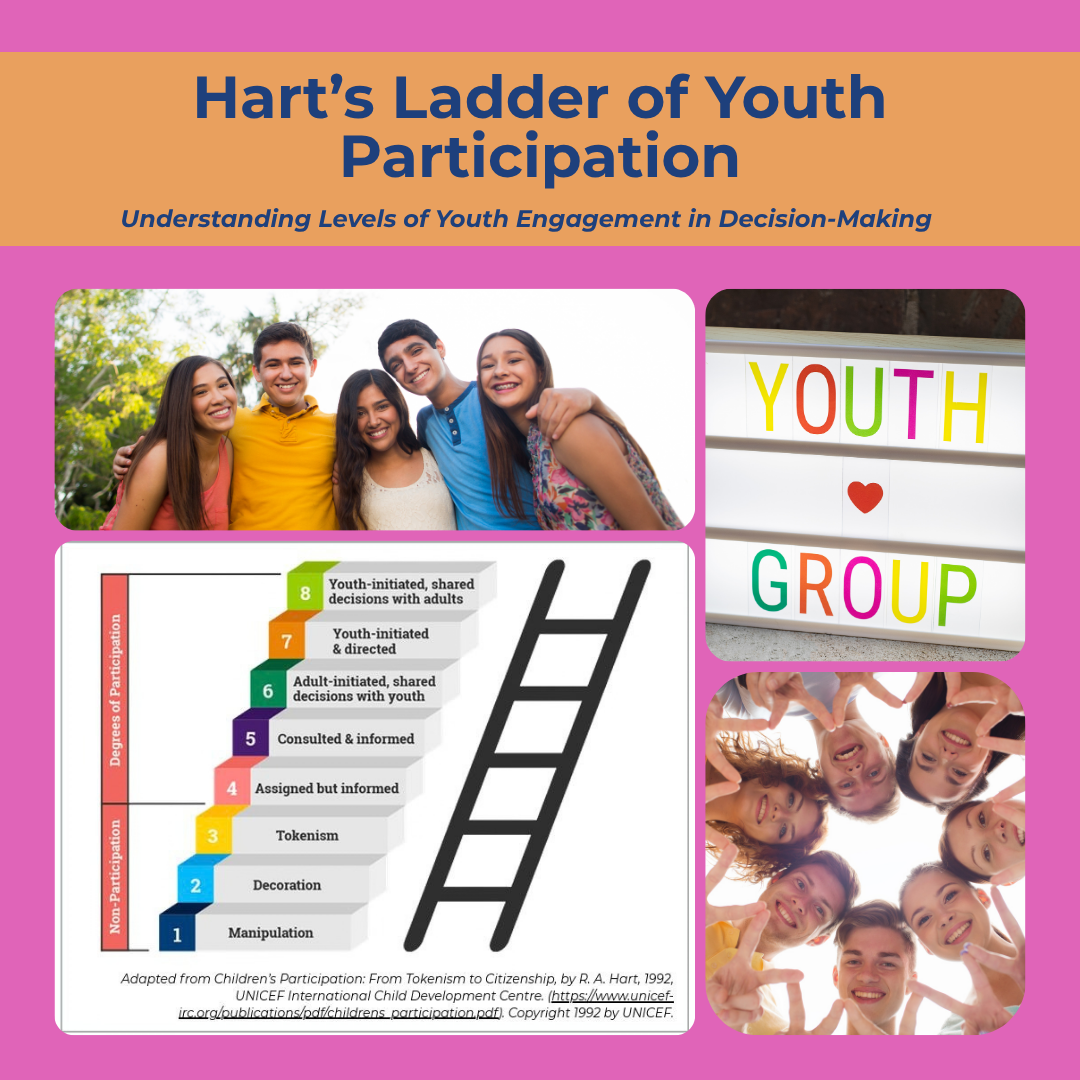
Hart’s Ladder of Youth Participation Infographic

Healthy Discipline Strategies that Work

How to Intervene in a Bullying Incident

How to Navigate Evidence-Based Program Clearinghouses

Implementation Toolbox

Implementation Toolbox: Practical Resources for Prevention Professionals

Interactive Training: A Closer Look at Step 1 of the Strategic Prevention Framework (Assessment)

Interactive Training: A Closer Look at Step 2 of the Strategic Prevention Framework (Capacity)

Interactive Training: What Is the Strategic Prevention Framework (SPF)?

Juvenile Diversion: Keeping Kids Away from Court Builds Safer Communities

Juvenile Justice Professional Development

Legal & Policy Issues with Youth Diversion Programs

Making the Case for SEL

Measuring SEL Skills

Mental Health America

Monitoring the Future: National Youth Substance Use and Attitudes Data

National Education Association (NEA)

National Gang Center

National Gang Center

National Mentoring Resource Center

National Mentoring Resource Center (NMRC): The National Hub for Quality Youth Mentoring

National Youth Violence Prevention Week Action Kit

Navigating Social Media’s Impact on Youth Mental Health

Opioid Treatment Program Directory

Organizational Readiness and Implementation

Overdose Prevention and Response Toolkit

PA Start

PA Stop

Parent and Child Mental Health Survey – December 2023 Findings

PAYS First Wednesdays at 1pm Webinar Recordings

Peer Support Specialist Services in PA

Peer-to-Peer Mental Health Support

Pennsylvania Child Welfare Resource Center

Pennsylvania Children and Youth Administrators

Pennsylvania Council of Children, Youth and Family Services (PCCYFS)

Pennsylvania Educators – Career Education and Work Standards

Pennsylvania Educators – Career Ready Skills Toolkit

Pennsylvania Educators – Common Ground Framework

Pennsylvania Family First Questions Submission Form

Pennsylvania Network for Student Assistance Services (PNSAS): Statewide Support for SAP

Pennsylvania Parent Leadership

Pennsylvania Statewide Afterschool Youth Development Network

Pennsylvania Student Assistance Program Mock Meeting

Pennsylvania Substance Use Disorder Treatment & Support – DDAP

Pennsylvania Youth Advisory Board (YAB)

Pennsylvania Youth Justice Advisory Board Best Practices Toolkit

Pennsylvania Youth Survey (PAYS): Behavioral Risk and Protective Factor Data

Pennsylvania’s Family First: Keeping Kids Safe & Strengthening Families

Podcasts and Webinars with a Focus on Mental Health

Positive Parenting Tips by Age

PowerPoint Tutorials

Preventing Childhood Adversity

Preventing Community Violence

Prevention Core Competencies

Prevention Matters Podcast

Prevention Resource Guide for Child Welfare

Prevention Resources for Schools

Prevention Science and How It Guides Prevention Efforts

Prevention Technology Transfer Center (PTTC) Network [Central East]

Program Budgeting

Progress Report: School Safety Perspectives and Practices

Project Management Guide

Project Management: RACI Diagram

Promoting Mental Health and Well-Being in Schools

Protective and Risk Factors Explained

Protective Factors – Approaches in Child Welfare

Psychological Research on Social Media Benefits and Risks to Teens

PTTC Network: Empowering Prevention Professionals

Ready, Set, Go, Review: A Toolkit for School-Based Mental Health Screening

Refusal Skills

Refusal Skills: A Risk Factor for Substance Use

Resources & Publications Hub

Risk and Protective Factors in Mental Health

Risk and Protective Factors of Child Delinquency

River Story

Rural Health Information Hub Visualizations: Interactive Data Tools for Rural Health Trends

Safeguarding Children of Arrested Parents: Implementing the Model Arrest Policy

SAMHSA Drug-Free Workplace Toolkit: Building Healthy, Safe Work Environments

School Attendance Improvement & Truancy Reduction Toolkit – PA

School‑Based Anti‑Bullying Interventions Work!

School Safety at a Glance

Shape the Sky Resource Library

Smokefree.gov

Social Media’s Effects on the Teen Brain

Society for Prevention Research: Advancing the Science of Prevention

SPTAC: Expert Support for Substance Use Prevention

State Health Facts: Your Source for State-Level Health Statistics

State-Level Data for Understanding Child Welfare in the United States

State Roundtable Workgroups & Committees

StopBullying.gov

Strategic Prevention Framework (SPF)

Strengthening Families: The Title IV-E Prevention Program

Substance Abuse and Mental Health Services Administration (SAMHSA)

Supporting Children of Incarcerated Parents: Fostering Collaborative Support Systems

Supporting Kids’ Mental Health: A Toolkit for Parents & Caregivers

Sustainability Factors for Program Implementation

Sustainability Planning Checklist

Talk2Kids

Talking about Gambling with Students

Talking with Kids about Media

Teachers’ stress and training in a school-based mindfulness program: Implementation results from a cluster of randomized controlled trial

Teaching Kids to Be Smart About Social Media

Technical Training Assistance Centers

Text-To-Speech Tool

The Art of Active Listening

The Benefits and Importance of Using YPAR with Youth with Incarcerated Parents

The CASEL Guide to Schoolwide SEL Essentials

The Center for Implementation: Tools and Training for Evidence-Informed Change

The Common Sense Census: Media Use by Tweens and Teens

The Community Readiness Model

The Community Toolbox: Resources for Building Stronger Prevention Efforts

The Hidden Dangers of Social Media for Youth

The National Child Traumatic Stress Network

The National Child Traumatic Stress Network: Child Welfare Professionals

The National Child Traumatic Stress Network: Families & Caregivers

The National Child Traumatic Stress Network: Healthcare Providers

The National Child Traumatic Stress Network: Justice System Professionals

The National Child Traumatic Stress Network: Policy Makers

The National Child Traumatic Stress Network: School Personnel

The National Child Traumatic Stress Network: Youth

The National Prevention Science Coalition (NPSC)

The Peer Review Process

The Pennsylvania Afterschool Fact Sheet (2024)

The Process of Prevention

The Trauma-Informed Teacher Tip Guide

The What Works Clearinghouse

Timely & Adaptive Strategies to Optimize Suicide Prevention Interventions

Title IV-E Prevention Program Five-Year Plans

Title IV-E Prevention Services Clearinghouse

Trauma-Informed Toolkit

Understanding the Youth Mental Health Crisis

USAspending.gov: Who Gets Federal Dollars and How Much

Video on Community Violence Prevention

Video: Sending Kids to Court Doesn’t Help Them. Here’s What Will.

Violence Prevention in Practice

Weathering the Seasons: How Shifts in Light, Time, and Connection Impact Substance Use

What Does It Mean for a Program to Be Evidence-Based?

What is active listening?

What is Bullying? for Kids | How to Stop Bullying

What is Diversion in Juvenile Justice?

What is Prevention Science?

What is Social and Emotional Learning (SEL)

What is Youth Violence?

Workplace Coping Strategies: Support for Stress, Substance Use, and Well-Being

Youth Diversion Programs: 8 Key Benefits for At-Risk Youth & Their Communities

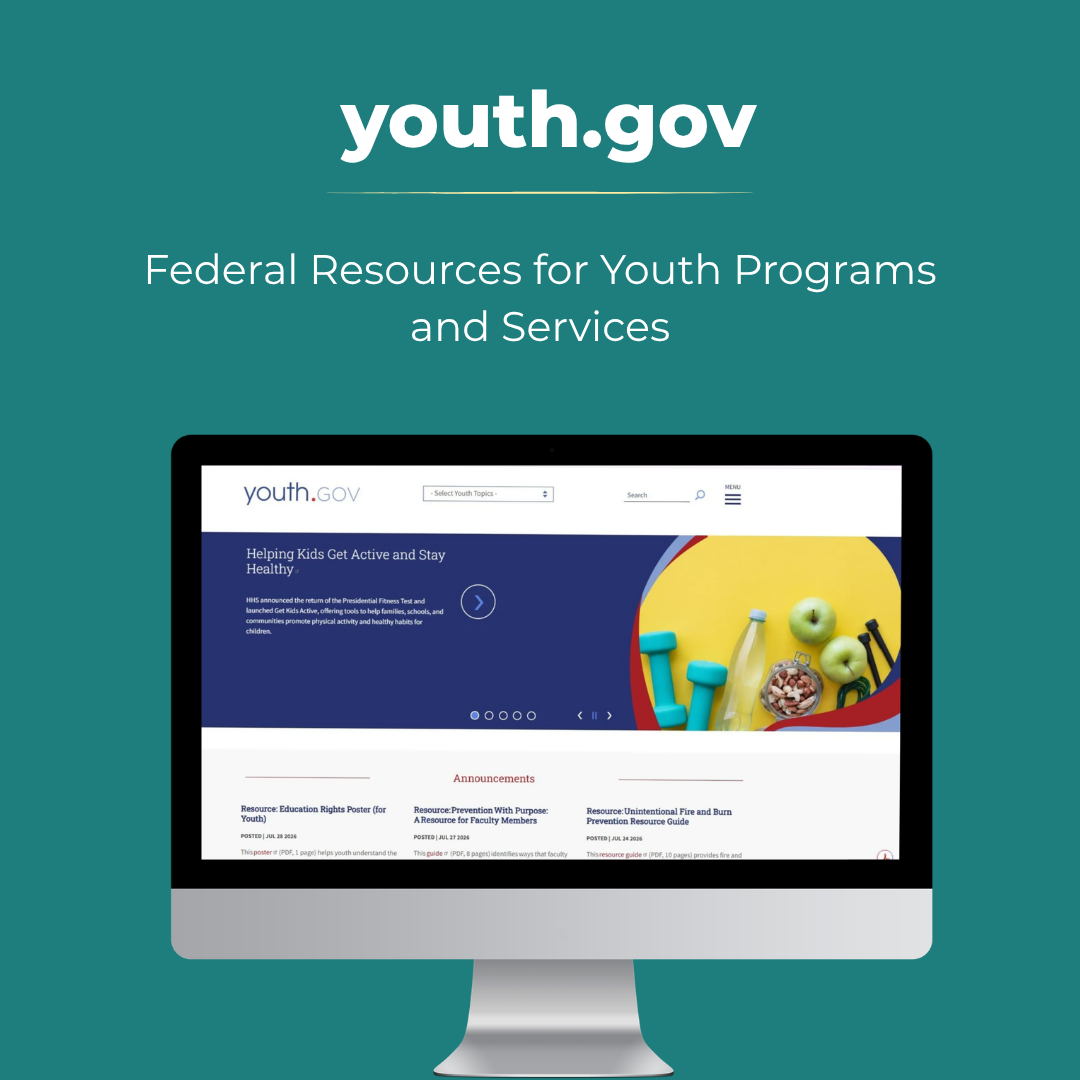
Youth.gov: Federal Resources for Youth Programs and Services

Youth Voice in Prevention Implementation Planning Template